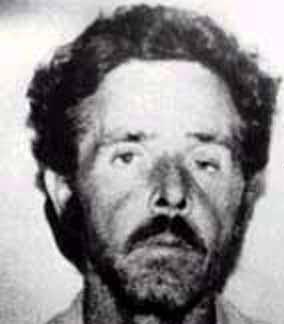
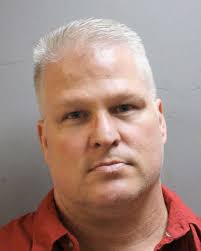
Image courtesy of Crittenden County Sheriffs Department
In the summer of 1996, a brutal double murder shattered the peace of Horseshoe Lake, a small community in Arkansas. Two women, a mother and her cousin, were found dead in their home, victims of senseless violence. The killer was caught, convicted, and sentenced to prison.
But the story didn’t end there.
Twenty-three years later, that same killer walked free and murdered again. His victim was the daughter of one of the women he’d killed in 1996. She had been just a child when her mother was taken from her. Now, as an adult, she would become his second act of violence. a tragedy that never should have happened.
This is the story of Travis Lewis and the two murders that should have been one.
A Quiet Community Shaken
Horseshoe Lake sits in eastern Arkansas, a quiet rural area where neighbors know each other and violent crime is rare. In 1996, it was the kind of place where people felt safe, where doors were often left unlocked, and where murder was almost unheard of.
That sense of security was shattered when two women were found murdered in their home. The victims were a mother and her cousin, both well-known in the area. The violence was sudden, brutal, and seemingly without motive.
The investigation moved quickly. Evidence pointed to Travis Lewis, a man connected to the victims. He was arrested, charged, and ultimately convicted of their murders. The community breathed a collective sigh of relief. Justice had been served. The killer was behind bars.
For the victim’s young daughter, there was no relief—only the beginning of a lifetime of grief.
A Daughter Left Behind
The little girl who lost her mother in 1996 grew up in the shadow of that tragedy. She carried the weight of her mother’s murder throughout her childhood and into adulthood. While Travis Lewis sat in prison, she built a life, formed relationships, and tried to move forward despite the hole that violence had left in her world.
But Lewis would not stay locked up forever.
After serving his sentence, Travis Lewis was released from prison. He walked out a free man, having paid his debt to society in the eyes of the law. For the daughter of his victim, his release must have been unimaginable. The man who killed her mother was back on the streets.
What happened next was every victim’s family’s worst nightmare.
Related: The Christmas Tree Murders: 27 Years to Justice
History Repeats Itself
In 2019—twenty-three years after he murdered her mother—Travis Lewis killed the daughter, too.
The details of the second murder echoed the first. Once again, Lewis took the life of someone connected to his original victims. Once again, a family was destroyed by violence. Once again, the community of Horseshoe Lake was left reeling.
But this time, the grief was compounded by a single, unavoidable question: How was this allowed to happen?
Lewis was arrested and charged with murder for the second time. He was convicted and sentenced to life in prison. But for those who knew the victim, for her family, her friends, and the community that had already mourned one senseless death. The conviction offered little comfort.
She should have been safe. The system should have protected her.
A System That Failed
The Travis Lewis case is not just a story of two murders. It’s a story of a system that failed to prevent a predictable tragedy.
Lewis had already proven himself capable of taking a life. He had murdered two women in cold blood. He had been convicted, incarcerated, and eventually released. And upon his release, he was free to cross paths with the daughter of one of his victims and free to kill again.
There are questions that remain unanswered. What oversight was in place after his release? Were there warning signs that went unnoticed? Could anything have been done to prevent the second murder?
For the family left behind, these questions offer no comfort. The daughter is gone. Her mother is gone. An entire branch of a family tree has been erased by one man’s violence.
A Community That Remembers
Horseshoe Lake is a small community, and tragedies like this leave marks that don’t fade. The 1996 murders are still remembered by those who lived through them. The 2019 murder reopened wounds that had never fully healed.
For the families, the pain is unimaginable. To lose a loved one to murder is devastating. To lose two loved ones to the same killer, decades apart, is a cruelty that defies comprehension.
The case serves as a grim reminder of the stakes involved in criminal justice. Rehabilitation and reintegration are important goals, but public safety must remain the priority. When a violent offender is released, the community deserves protection. Victims’ families deserve assurance that their worst fears won’t come true.
In this case, those assurances failed.
Justice, Delayed and Denied
Travis Lewis is now serving a life sentence for the 2019 murder. He will not be released again. He will not kill again. But for the victims and their families, justice feels incomplete.
The daughter who lost her mother at such a young age never got the chance to grow old, to build her own family, to heal from the trauma that shaped her life. Instead, she became a second victim of the same man who had already taken so much from her.
Her story is a tragedy in two acts: a life bookended by violence, loss, and a system that didn’t protect her when it mattered most.
A Legacy of Loss
The Travis Lewis case is a cautionary tale about the long reach of violence and the failures that allow it to continue. It’s a reminder that the criminal justice system doesn’t just deal with crimes—it deals with people, with families, with communities that must live with the consequences of those crimes long after the headlines fade.
For Horseshoe Lake, the scars remain. For the families, the grief is doubled. And for those who believe in justice, the case is a sobering reminder that sometimes, the system we trust to protect us falls short.
Two women, twenty-three years apart, connected by blood and by the man who took their lives. It’s a story that should never have had a second chapter.
But it did.
Related: Reginald Kimbro: Texas Serial Rapist and Killer
Lisa Crow contributed to this article. She is a true crime junkie and lifestyle blogger based in Waco, Texas. Lisa is the Head of Content at Gigi’s Ramblings and Southern Bred True Crime Junkie. She spends her free time traveling when she can and making memories with her large family which consists of six children and fifteen grandchildren.