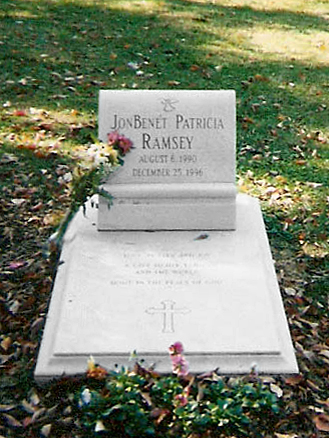
By Taurusrus – Panoramio, CC BY-SA 3.0, https://commons.wikimedia.org/w/index.php?curid=11215228
A Christmas Morning That Turned Into a Nightmare
On December 26, 1996, the Ramsey household in Boulder, Colorado should have been winding down from Christmas celebrations. Instead, it became the center of one of the most infamous unsolved murders in American history. Patsy Ramsey called 911 to report that her six-year-old daughter, JonBenét Ramsey, was missing after discovering a ransom note inside the family home.
From the very beginning, the case was marked by confusion, contradictions, and devastating investigative failures. What unfolded over the following hours and years would permanently change the way the public consumes true crime and how law enforcement handles high-profile cases.
Who JonBenét Ramsey Was
JonBenét Ramsey was a young child who enjoyed dance, costumes, and spending time with her family. After her death, she became nationally known through photographs taken during child beauty pageants. Those images quickly dominated media coverage and public discussion, often shifting focus away from the crime itself.
Over time, JonBenét was reduced in public discourse to speculation, symbolism, and controversy. What is often lost is the reality that she was a six-year-old child whose life ended violently inside her own home.
The Ransom Note
The ransom note found on the morning of December 26 immediately raised alarms. It was three pages long, demanded $118,000, and was written using materials found inside the Ramsey home. The amount requested matched John Ramsey’s recent work bonus, a detail that would later fuel suspicion.
Investigators found the note highly unusual. Traditional ransom notes are brief and to the point, while this one contained dramatic language, movie references, and instructions that felt rehearsed. Despite the warning not to contact police, the Ramseys did so immediately, setting the investigation into motion.
Discovery of the Body
Several hours after police arrived, John Ramsey and a family friend were instructed to search the house again. In a small storage room in the basement, John found JonBenét’s body.
She had suffered a severe blow to the head, signs of sexual assault, and had been strangled with a garrote made from a broken paintbrush handle belonging to Patsy Ramsey. The discovery of her body inside the home, while police were already present, remains one of the most heavily criticized aspects of the case.
Investigative Failures
From the start, the crime scene was mishandled. Friends and family were allowed to move freely throughout the house. Potential evidence was disturbed, and key areas were not properly secured. The Ramseys were not immediately separated for formal interviews, and valuable early hours were lost.
By the time the investigation shifted into a more structured homicide inquiry, much of the physical and behavioral evidence had already been compromised beyond recovery.
Media Coverage and Public Judgment
As progress stalled, media coverage intensified. The Ramseys became the focus of relentless scrutiny, with their behavior, appearance, and emotional responses analyzed daily on television and in tabloids. The case quickly moved from investigation to public trial, where speculation often replaced evidence.
This level of exposure shaped public opinion long before any legal conclusions could be reached and set a precedent for how future cases would be covered.
Theories That Persist
Several theories continue to dominate discussions surrounding JonBenét’s death. One suggests family involvement, arguing the crime resulted from an accident or internal conflict followed by a cover-up. Supporters of this theory point to the ransom note, lack of forced entry, and inconsistencies in statements.
Another theory proposes that an intruder entered the home and committed the crime. Unidentified DNA found on JonBenét’s clothing has been cited as possible support for this explanation. Speculation involving JonBenét’s brother has also circulated over the years, though he has never been charged and has been publicly cleared by authorities.
None of these theories have resulted in an arrest.
DNA Evidence and Current Testing Efforts
In 2008, the Boulder District Attorney announced that DNA evidence appeared to exclude the Ramsey family. That statement was met with criticism, as experts argued the DNA could have been transferred innocently or was too limited to draw definitive conclusions.
Importantly, the case has not been abandoned. As of now, renewed efforts are underway to re-examine existing evidence using modern forensic techniques. Advances in DNA testing, including touch DNA analysis and genetic genealogy, have renewed hope that previously unidentified genetic material could one day be traced to a contributor.
These ongoing DNA studies represent one of the last viable avenues for resolving the case.
Why the Case Endures
The JonBenét Ramsey case continues to haunt the public because it challenges deeply held beliefs about safety, family, and justice. It occurred during the holidays, inside a wealthy suburban home, at a time meant for comfort and protection.
The combination of a child victim, investigative failure, and media spectacle has kept the case alive long after others have faded from memory.
A Case Without Resolution
Nearly three decades later, JonBenét Ramsey’s murder remains unsolved. No arrests have been made, and no one has been held legally responsible.
What remains is a case defined by unanswered questions, missed opportunities, and the hope that advancing forensic science may still bring clarity to a crime that has never fully released its grip on the public.
Lisa Crow contributed to this article. She is a true crime junkie and lifestyle blogger based in Waco, Texas. Lisa is the Head of Content at Gigi’s Ramblings and Southern Bred True Crime Junkie. She spends her free time traveling when she can and making memories with her large family which consists of six children and fifteen grandchildren.